
Learn LiDAR
What Is Multi-Return LiDAR? Multiple Echoes, Canopy Penetration, and Ground Returns
How one LiDAR pulse produces canopy, vegetation, and ground returns for cleaner terrain modeling
No credit card required • 50 hectares included
Multi-return LiDAR captures multiple echoes from a single laser pulse, helping survey, forestry, and utility teams separate canopy, mid-story vegetation, and ground points in the same pass. Those return layers make it easier to build cleaner terrain models, inspect vegetation structure, and hand off more reliable surface data downstream.
How Multi-Return Works
A laser pulse isn’t a perfect line — it spreads slightly as it travels, creating a footprint that may illuminate objects at different heights simultaneously.
When the return signal reaches the sensor, it contains distinct peaks corresponding to reflections from different surfaces. The sensor detects and timestamps each peak, recording them as separate returns.
Modern LiDAR systems typically record 4-7 returns per pulse, though the actual number depends on what the pulse encounters.
Why Multi-Return Matters
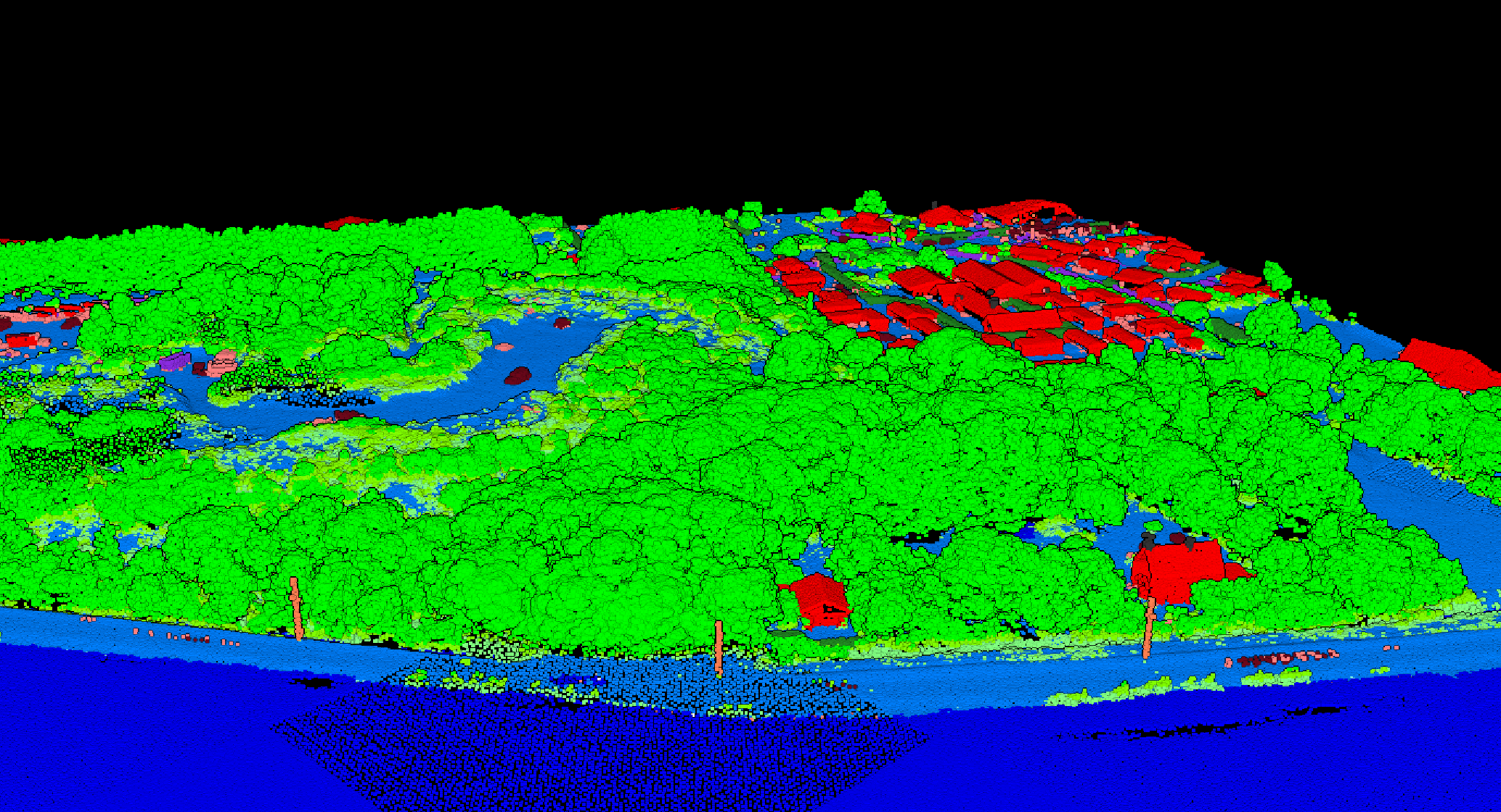
Terrain Under Canopy
Without multi-return capability, you’d only see the top of forests. Last returns reach through dense canopy to enable accurate DTMs.
Vertical Structure
Each echo becomes a separate point in your dataset, revealing the complete vertical structure of forests from canopy to ground.
Better Classification
Return number aids classification: first returns typically represent canopy; last returns typically represent ground.
What Each Return Tells You
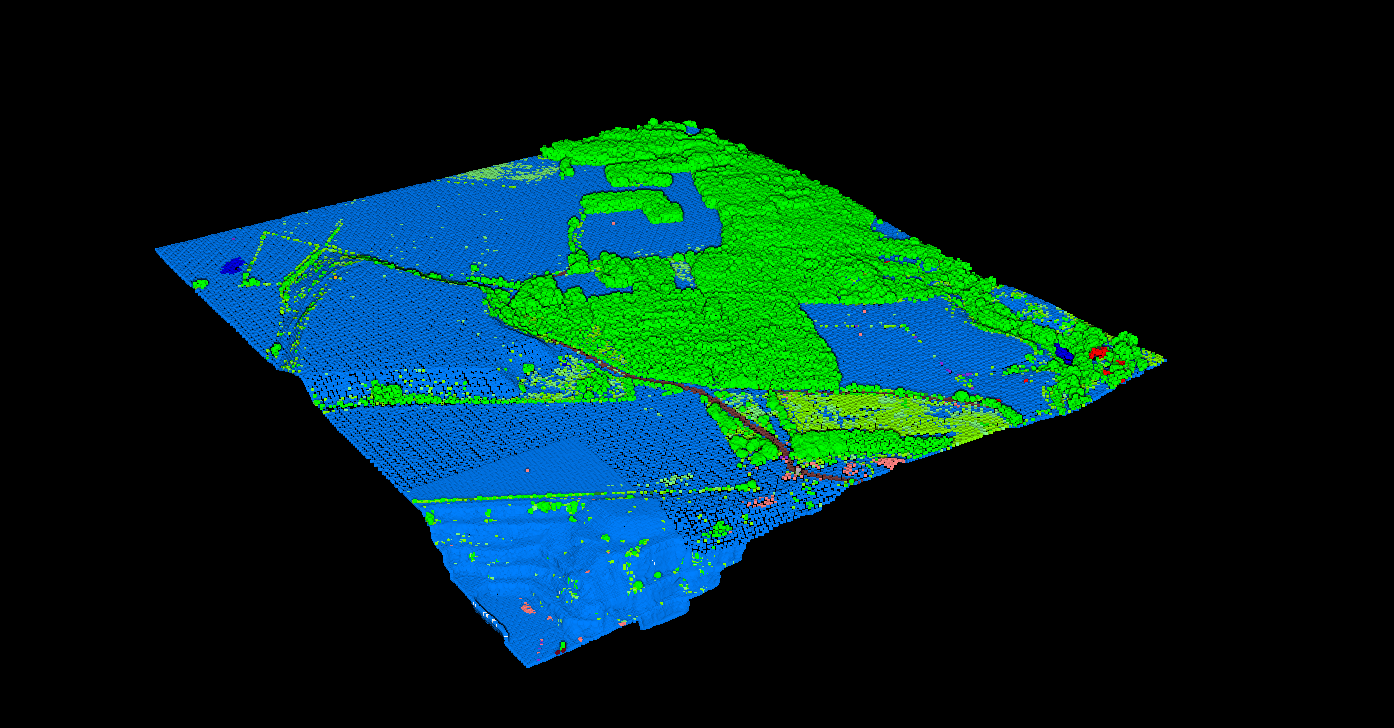
Each return carries metadata: its sequence number (1st, 2nd, 3rd…), the total number of returns for that pulse, and often the return intensity.
- Return number helps separate canopy, understory, and ground reflections.
- Total return count shows how many distinct surfaces a pulse encountered.
- Return intensity adds extra context when interpreting each reflection.
Related Articles
Fundamentals
LiDAR Fundamentals
Surface Guides
Ready to Process Multi-Return LiDAR Data?
LidarVisor preserves and utilizes return information for better ground classification. Return information is preserved in your delivered point clouds, ready for downstream analysis of vegetation structure from crown to forest floor. Start with 50 hectares of free processing.
Create free account50 hectares free. No credit card. No software to install.