
SOLAR SITE PLANNING
LiDAR for Solar Farm Assessment
Solar developers need terrain certainty before layout, grading, and civil planning move forward.
No credit card required • 50 hectares included
LiDAR helps teams evaluate slopes, surface consistency, drainage conditions, and site constraints with much better detail than rough topographic assumptions alone.
Site Suitability
Review terrain and grading implications before detailed layout work begins
Slope Analysis
Inspect how slope and surface variation may affect constructability and design
Drainage Context
Understand runoff-relevant terrain behavior across the proposed site
Fast Outputs
Turn raw scans into DTM, slope, and contour deliverables without desktop delay
Why LiDAR Matters for Solar
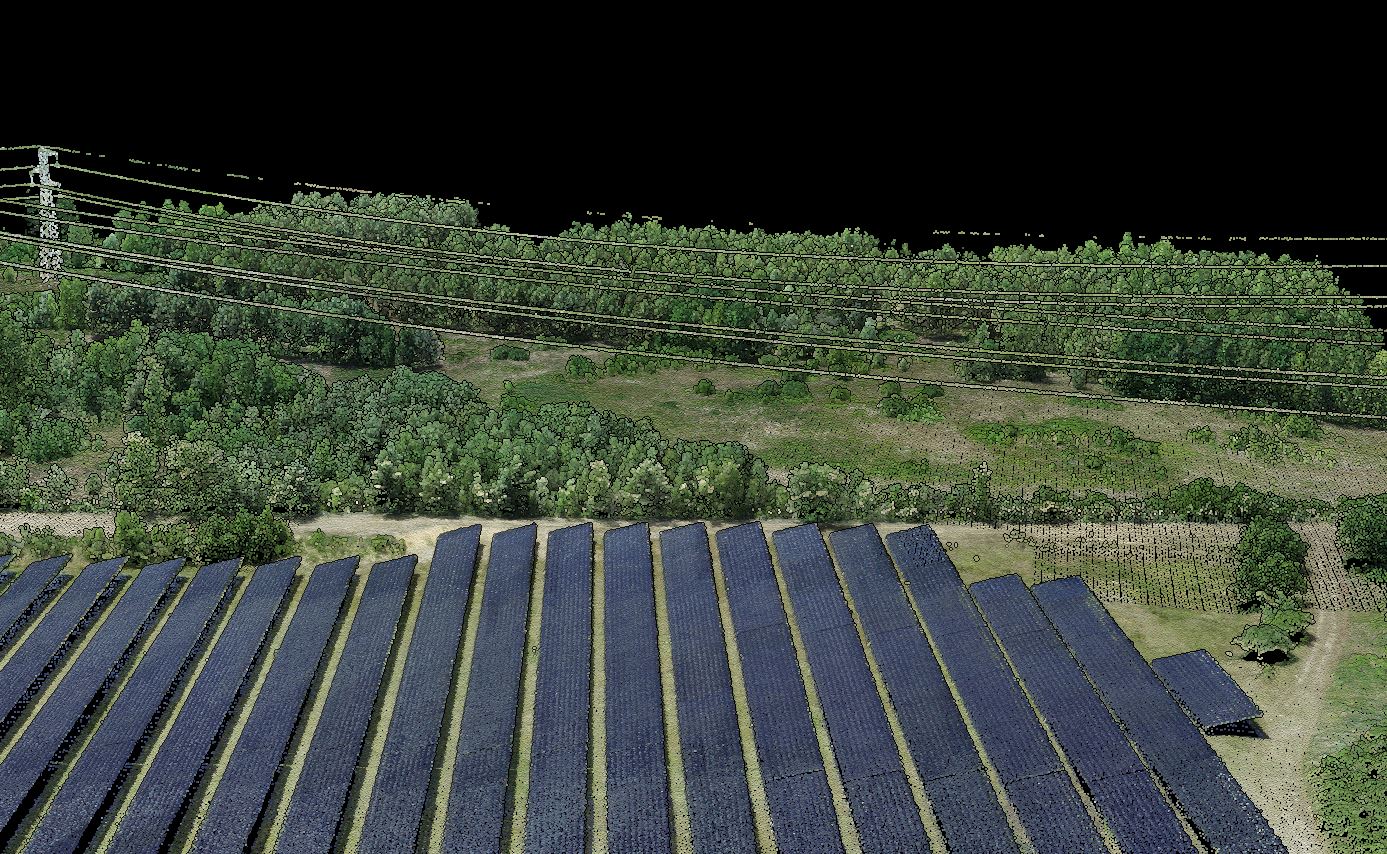
Solar site assessment is heavily terrain-dependent. Small differences in slope, grade change, and drainage behavior can affect earthworks, mounting strategy, access, and cost.
LiDAR helps teams inspect those conditions with much better detail early in the planning process.
That makes it useful for screening candidate parcels, refining site assumptions, and supporting civil design decisions downstream.
Key Deliverables for Solar Assessment
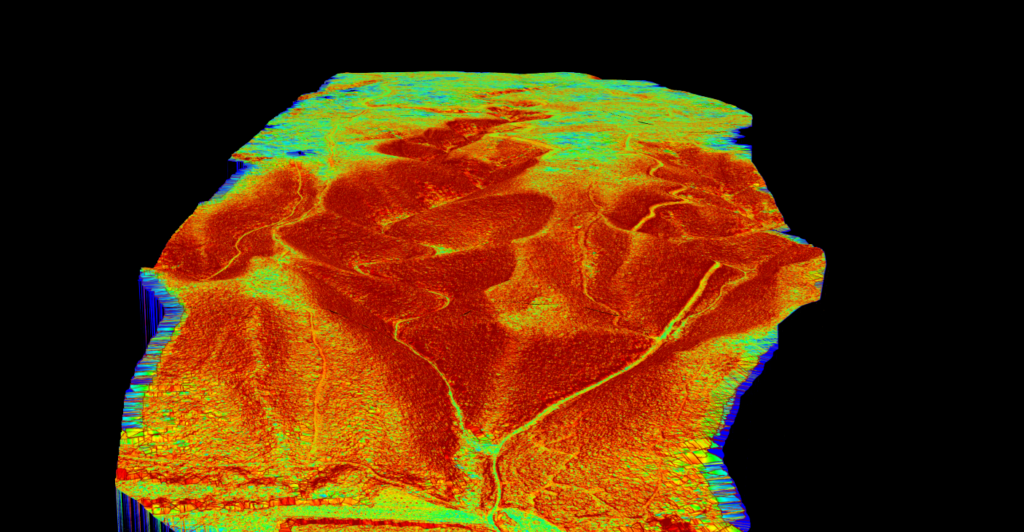
Solar teams usually need terrain outputs they can interpret and share, not just a point cloud file sitting in storage.
Lidarvisor helps create the terrain and slope products that make early site review and downstream design discussion easier.
- DTM for bare-earth site understanding and grading context
- Slope maps for constructability and layout-relevant terrain review
- DXF contour outputs for engineering and civil coordination
- Classified point cloud context where the broader surface and surroundings still matter
Additional Products
Classified Point Cloud
Keep the broader site geometry available alongside terrain outputs.
Drainage Context
Review how water may move across the terrain before civil issues appear later.
Surface Comparison
Use updated site scans when terrain assumptions need to be revisited over time.
Frequently Asked Questions
Why does LiDAR matter for solar site assessment?
Because terrain strongly affects constructability, grading, drainage, and layout assumptions. LiDAR helps teams inspect those conditions with much better detail early in the project.
What outputs are most useful for solar planning?
DTM, slope maps, and contour outputs are especially useful because they make terrain behavior easier to interpret for site planning and civil work.
Can LiDAR help with grading decisions?
Yes. Terrain and slope products help teams understand where grading complexity may increase and where the site may need closer review before design assumptions are locked in.
Is LiDAR only useful on large solar projects?
No. Any solar site where terrain affects cost, drainage, constructability, or design quality can benefit from higher-resolution terrain data.
Can I process solar LiDAR in the browser?
Yes, for standard LAS or LAZ workflows. Lidarvisor is designed to help you upload point cloud data and generate terrain-focused outputs without relying on a heavy desktop-processing chain for routine tasks.
Related Articles
Solar Adjacent
• LiDAR for Construction
• Terrain Mapping with LiDAR
Terrain Outputs
• Create Accurate Terrain Models
• Digital Terrain Model Guide
More Applications
• Bridge & Road Inspection
• LiDAR for Mining
Create a free account and start processing solar-site LiDAR
Start with 5 GB of storage and process up to 50 hectares for free. Upload solar-site LiDAR and turn it into DTM, slope, and contour outputs in one browser-based workflow. No credit card required • 5 GB included on free signup
Create free account50 hectares free. No credit card. No software to install.