

Choosing the Right Technology for Your Survey
How They Differ
LiDAR (Active Sensor)
- Emits laser pulses and measures return time
- Works in any lighting condition
- Penetrates vegetation to reach ground
- Captures thin features (wires, poles)
- Direct distance measurement = inherent accuracy
Photogrammetry (Passive)
- Calculates 3D from overlapping photos
- Requires good lighting and texture
- Cannot see through dense vegetation
- Produces RGB-colored point clouds
- Lower equipment cost than LiDAR
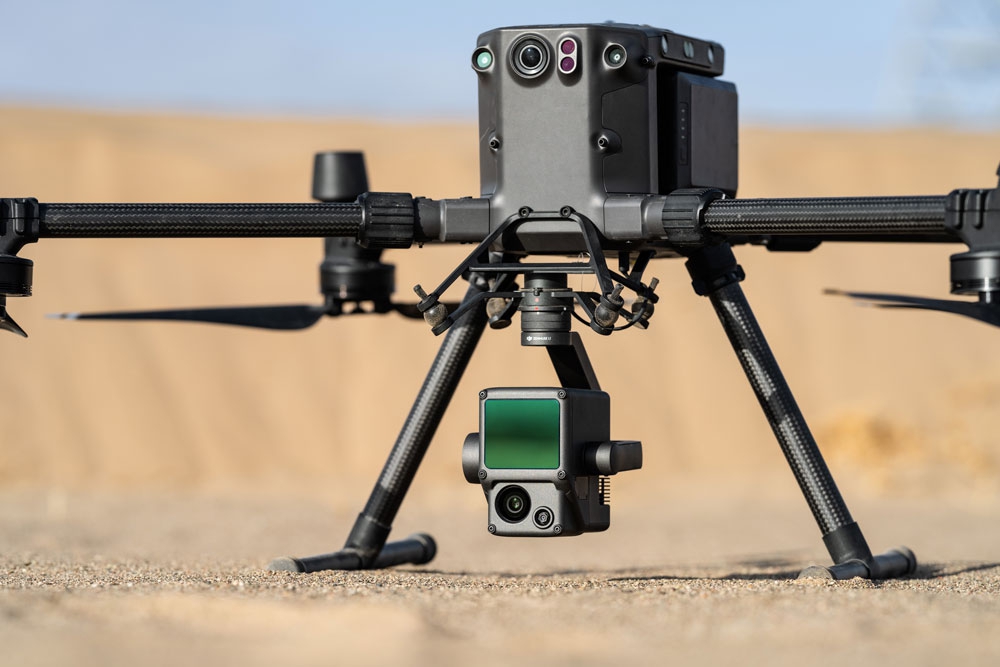
Point cloud comparison showing the difference between LiDAR and photogrammetry outputs.
When to Choose LiDAR
LiDAR excels when you need:
- Bare-earth terrain under forest canopy, where photogrammetry cannot see through trees
- Thin infrastructure like power lines and telecommunications towers
- Challenging conditions such as low light, overcast weather, or light rain
- Maximum accuracy when precise elevation data matters most
When to Choose Photogrammetry
Photogrammetry shines when you need color imagery and textured 3D models at lower cost.
The Hybrid Approach
Many projects benefit from combining both technologies:
- LiDAR for accuracy and ground detection through vegetation
- Photogrammetry for color and visual context
LidarVisor supports colorizing LiDAR point clouds with imagery, giving you the precision of laser measurement with the visual richness of photography.
Quick Comparison
| Factor | LiDAR | Photo |
| Vegetation penetration | ✓ | ✗ |
| RGB color | ✗ | ✓ |
| Works in low light | ✓ | ✗ |
| Equipment cost | High | Low |
| Elevation accuracy | Best | Good |
More Comparisons
Ready to Process Your LiDAR Data?
Upload your point cloud and get AI-powered classification, terrain models, and more. Start with 10 hectares of free processing.