

LiDAR technology is becoming democratized. Sensors that cost $100,000 a decade ago now sell for under $10,000. The barriers that once limited LiDAR to large organizations are falling.
Hardware Advances
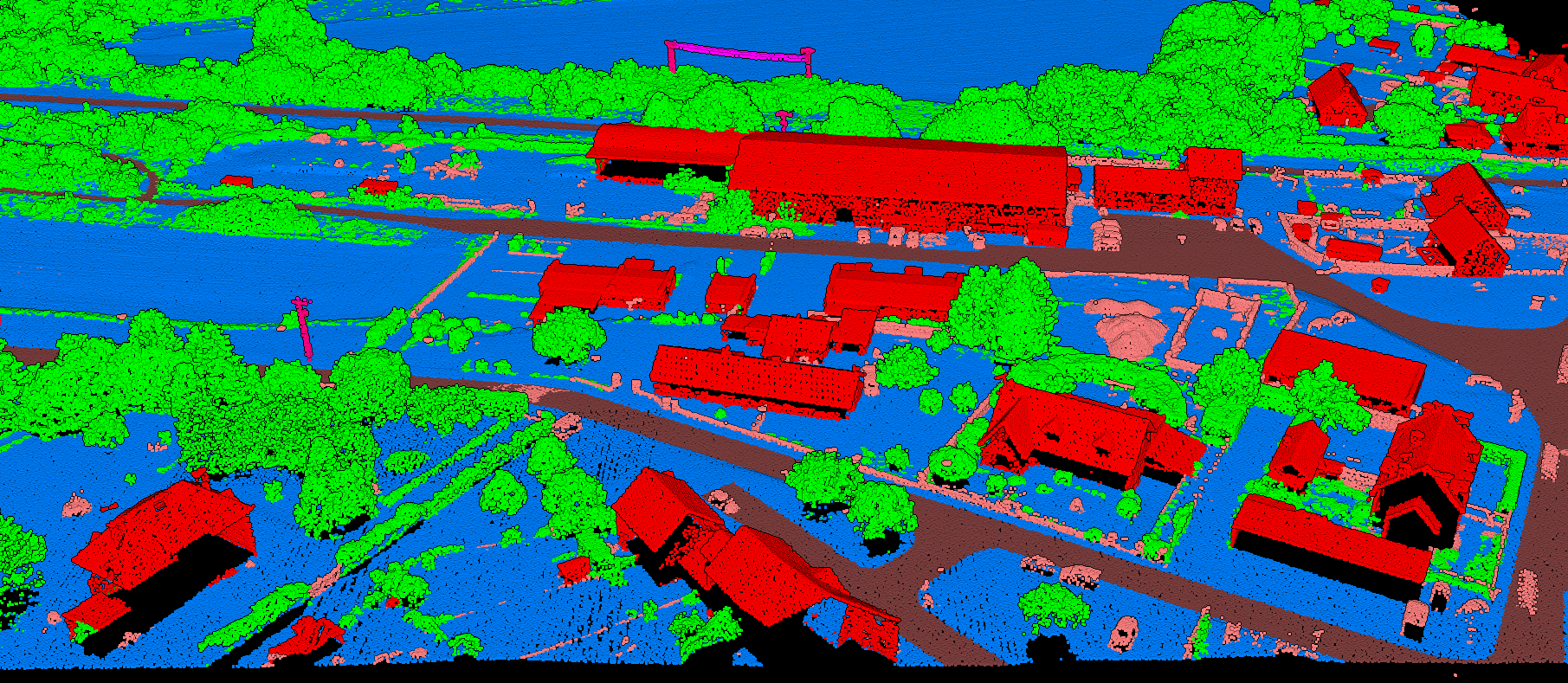
Drone-mounted LiDAR has exploded in adoption, bringing aerial surveying to operators who could never afford manned aircraft. Sensors continue getting lighter, more accurate, and denser — modern systems capture over 100 points per square meter.
Single-photon and Geiger-mode LiDAR cover vast areas at unprecedented speed, enabling regional and national mapping programs. Multispectral sensors add wavelength diversity, improving vegetation analysis and material classification.
Automotive LiDAR development is driving costs down further. Technologies designed for autonomous vehicles are finding their way into survey-grade systems, benefiting from massive R&D investments and economies of scale.
Software Evolution
Cloud-native formats like COPC (Cloud-Optimized Point Cloud) enable streaming of massive datasets without downloading entire files. Users can visualize and query billion-point datasets through a web browser.
AI handles processing tasks that once required specialized expertise. The barrier to entry keeps dropping — you no longer need a GIS degree or expensive desktop software to extract value from LiDAR data.
Emerging Applications
- Autonomous Vehicles — Real-time LiDAR navigation for self-driving cars
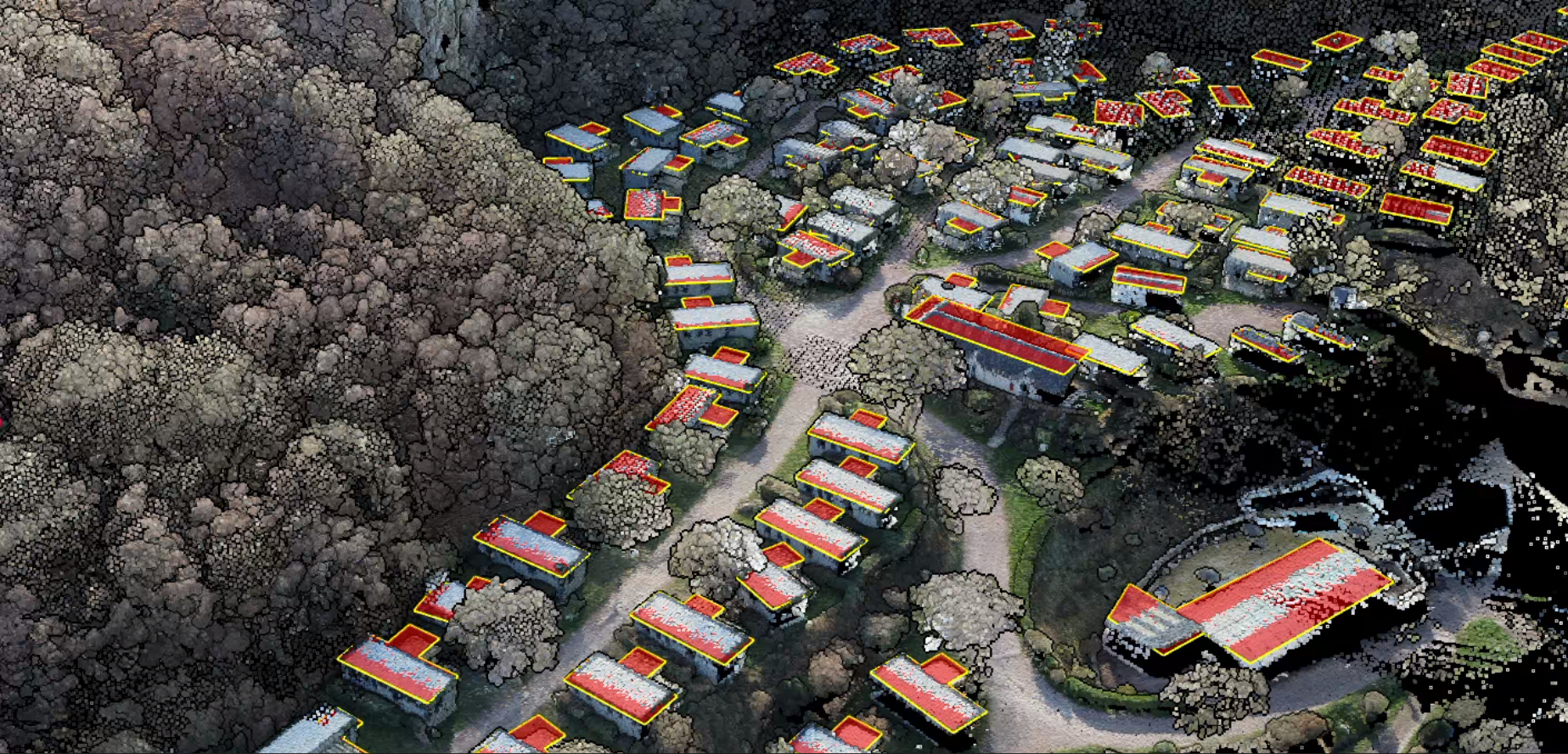
- Digital Twins — Cities building 3D models from repeated scans
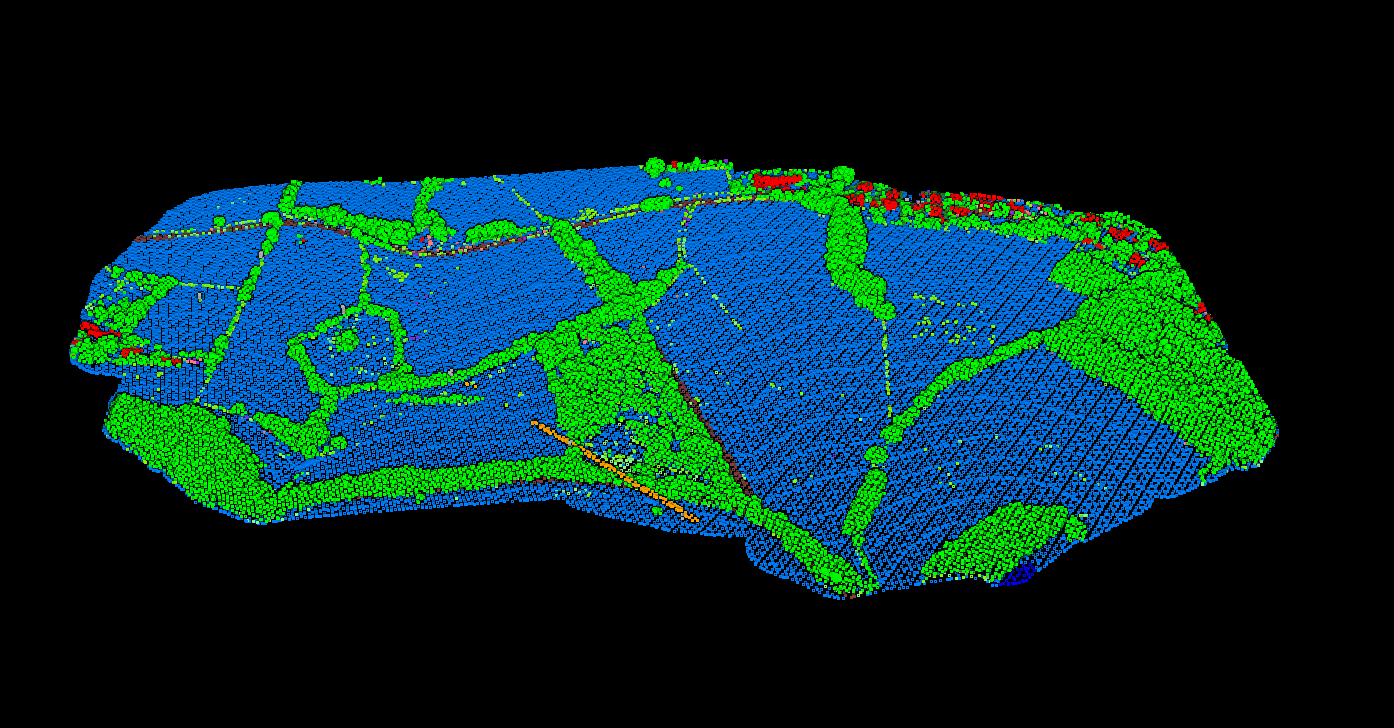
- Carbon Credits — Forest biomass and carbon stock estimation. Lidarvisor now offers per-tree carbon calculation with 102 species-specific allometric models across 8 global regions.
- Archaeology — Discovering hidden structures beneath vegetation
Ready to Join the LiDAR Revolution?
Experience the future of LiDAR processing today. Upload your point cloud data and get professional results without expensive software or specialized training.